

How to Care for Talavera Tile: Protecting Handmade Mexican Ceramics
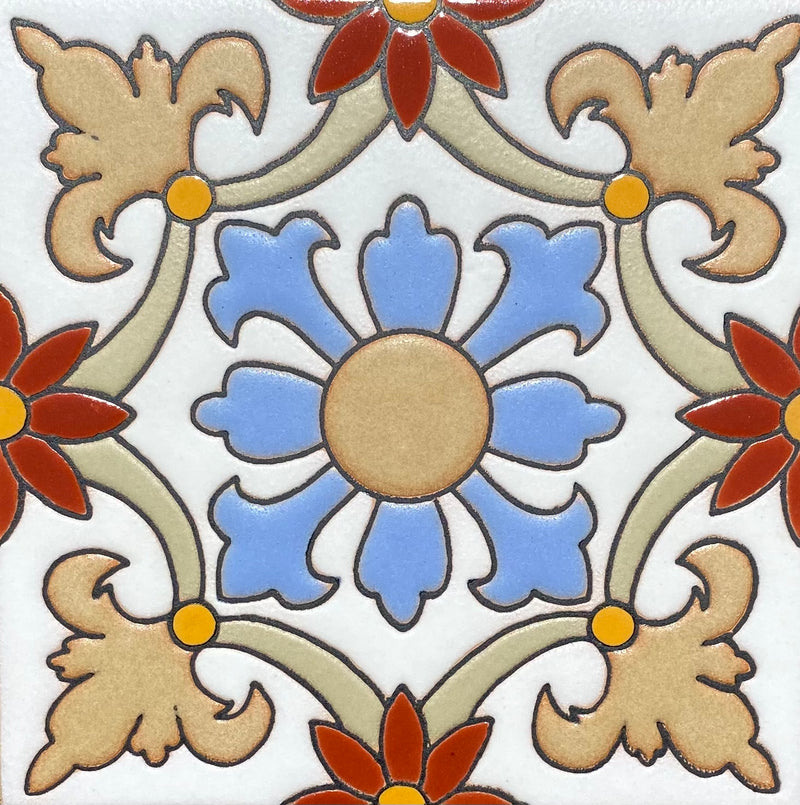
Talavera tile is more than just flooring or wall decoration—it's a piece of Mexican artistry and tradition. Each hand-painted tile is unique, with individual brushstrokes and glazing that reflect the craftsman's skill and creativity. Owning Talavera tiles means living with authentic handmade ceramics that have been treasured for centuries. And as the popularity of artisan craftsmanship in home design continues to rise—the Zillow 2026 Home Trends Report found a sharp increase in listings mentioning "artisan craftsmanship"—the value of these pieces only grows.
Because Talavera is fundamentally different from industrial tiles, caring for it requires a different approach. Unlike utilitarian ceramics, Talavera's glazed surface, hand-applied decoration, and individual character demand gentleness and thoughtfulness. This guide will help you protect your Talavera investment and keep these beautiful tiles looking magnificent for generations.
Understanding Talavera Tile: What Makes It Special
Before diving into care, it's worth understanding what makes Talavera tile unique. True Talavera comes from the tradition of hand-painted ceramics originating in Talavera de la Reina, Spain, and perfected in Mexico. At Place of Clay, we partner with two renowned Mexican makers: Azulejos Talavera (known for larger, precisely crafted tiles in 2", 4.25", and 6" sizes) and Ceramicos Guanajuato (celebrated for smaller, rustic hand-cut tiles in roughly 4" dimensions). The process involves:
- Hand-forming: Each tile is individually shaped and pressed into molds, creating slight variations in thickness and size. These natural inconsistencies are marks of authenticity.
- Hand-painting: Artisans apply glaze paints by hand, creating traditional patterns and designs. No two tiles are identical. CLE Tile notes that "handmade tile, with its subtle inconsistencies, varying tones, and textural differences, bears the mark of the artisans who crafted it"—a quality increasingly prized in contemporary design.
- Multiple firings: The tile may be fired multiple times to set glazes and achieve the final finish, with glaze pools and brush marks creating the artisanal aesthetic trending in 2026 design.
- Glazed surface: The glaze creates a glass-like protective layer that gives Talavera its distinctive shine and makes it relatively easy to clean compared to porous tiles like Saltillo.
Understanding this process helps explain why Talavera requires careful handling—you're maintaining a handmade piece of functional art. And because tiles from Azulejos Talavera and Ceramicos Guanajuato differ in size and construction, it's important to source replacements from the same maker if needed.
Gentle Cleaning Methods
Daily Cleaning
For daily maintenance, use a soft, damp cloth or soft-bristled brush. Dampen the cloth with plain water or a solution of mild dish soap and water (use very little soap). Gently wipe the tiles, following the grain or pattern if one exists. Dry immediately with a soft, lint-free cloth.
This gentle approach prevents scratching the glaze and protects the hand-painted decoration. If the tiles are on a wall, this method is usually sufficient for weekly or bi-weekly cleaning.
Regular Cleaning for Floor Tiles
If you have Talavera floor tiles, light sweeping is the best first step. Use a soft broom to remove dust and grit. For wet cleaning, follow these guidelines:
- Use pH-neutral tile cleaner or a very mild soap solution (1 teaspoon dish soap per gallon of water).
- Apply with a barely-damp soft mop or cloth. Talavera can tolerate more moisture than Saltillo, but excess water should still be avoided.
- Never let standing water sit on the tile. Wipe dry immediately.
- Avoid circular scrubbing motions, which can wear through glaze over time. Use gentle, linear motions instead.
Dealing with Dust and Dullness
Hand-painted tiles can accumulate dust, especially in kitchens or areas with cooking. This dust can make the glaze appear dull. To restore shine, wipe with a soft, barely-damp microfiber cloth and dry thoroughly. For stubborn dust in decorative details, use a soft dry brush or old toothbrush to gently dislodge particles before wiping.
What NOT to Use on Talavera
Protecting the glaze and hand-painted surface means avoiding harsh treatments:
Abrasive Cleaners and Scrubbers
Never use scouring pads, steel wool, or stiff brushes on Talavera. These will scratch and dull the glaze, permanently damaging the surface finish. Even "soft" scrubbers should be used only with extreme caution, if at all.
Harsh Chemicals
Avoid: Bleach, vinegar, acidic cleaners, multi-purpose cleaners, bathroom cleaners, and floor strippers. These chemicals can:
- Etch or dull the glaze
- Fade the hand-painted colors
- Damage the decorative surface
- Create chemical reactions with the ceramic glaze
Stick to plain water, mild soap, or pH-neutral tile cleaners. When in doubt, test on a tile in an inconspicuous area first.
Excess Water and Moisture
While Talavera's glaze makes it more water-resistant than Saltillo, it's not waterproof. Never submerge Talavera tiles or leave standing water on them. If using them in high-moisture areas like bathrooms, ensure good ventilation and dry wet areas quickly. Prolonged moisture exposure can eventually seep into unglazed edges or the back of tiles, causing damage.
Heat and Direct Sunlight
Talavera tiles shouldn't be placed where they're subjected to intense, prolonged heat (like directly behind a stovetop) or extreme temperature changes. The ceramic can crack. Additionally, strong direct sunlight can gradually fade hand-painted colors over many years. If Talavera is used in sunny windows, consider soft shading.
Sealing Talavera Tile: Do You Need It?
This is a common question. The answer depends on where the tiles are used:
Interior Walls and Backsplashes
These generally don't need sealing. The glazed surface is sufficient protection for dry to moderately splashy areas. If you choose to seal, use only a penetrating sealer designed for glazed ceramics, not topical sealers which can create a slippery surface on walls.
Countertops and High-Splash Areas
In kitchens with splash zones around sinks or stovetops, a penetrating sealer offers extra protection against staining from food, wine, or oil. Use a sealer designed for glazed tile and follow application instructions carefully. Apply sealer only to the grout lines if the tile itself is glazed—the glaze already provides protection.
Bathroom Wet Areas
In shower surrounds or above tubs, sealing the grout is recommended. The tile itself is protected by the glaze, but grout is porous and can absorb water and soap residue. Use a grout sealer, not a tile sealer.
Outdoor Applications
If using Talavera outdoors or in extremely wet climates, sealing becomes more important. A penetrating sealer helps protect against water absorption in unglazed edges and the tile's back. Consult the sealer manufacturer about outdoor durability and UV resistance.
Repairing Chips and Cracks
Because each Talavera tile is handmade and unique, repairing damage requires a thoughtful approach.
Small Chips in the Glaze
For minor chips that don't expose the ceramic body underneath, you have a few options:
- Ceramic repair markers: These are thin markers that can be used to color in small chips, blending them with the surrounding glaze. Results vary depending on the exact color match.
- Ceramic touch-up paint: Available at craft stores, these can be carefully painted into small damaged areas. Allow to dry fully before sealing if needed.
- Accept the patina: Many Talavera collectors embrace small imperfections as part of the tile's character and history.
Larger Chips or Cracks
Significant damage usually means replacing the affected tile. Because Talavera tiles are handmade, finding an exact match can be difficult, especially if the tiles are older. Options include:
- Sourcing a replacement from the same maker (if still operating)
- Finding a complementary tile with similar colors and design style
- Creating a design element by intentionally replacing a few tiles with a coordinating pattern (turning a repair into an artistic choice)
Each Talavera tile is hand-painted with unique patterns — no two are identical.
We carry Barcelona Talavera, San Luis Obispo Talavera, and other hand-painted collections that can help with matching or creating new designs.
Indoor vs. Outdoor Care: Key Differences
Indoor Talavera
Indoor tiles in protected environments face minimal stress. Regular gentle cleaning is usually sufficient. The main concern is avoiding harsh chemicals and excessive moisture. Indoor Talavera can last indefinitely with basic care.
Outdoor Talavera
Talavera used outdoors—in patios, fountains, or exterior walls—faces more challenging conditions:
- UV Fading: Intense sunlight fades hand-painted colors over years. This is normal and can be part of Talavera's charm, but protection with outdoor-rated sealers can slow fading.
- Freeze-Thaw Cycles: In cold climates, water in tiny cracks can freeze and expand, causing tiles to crack. Adequate drainage and waterproofing are essential.
- Algae and Mold: Outdoor tiles in shaded or moist areas may develop algae or mold. Clean gently with a soft brush and mild soap. Avoid harsh pressure washing.
- Mineral Deposits: Hard water or minerals can leave deposits. Clean with distilled water or a mild dilute vinegar solution (use sparingly, and rinse thoroughly).
- Regular Sealing: Outdoor Talavera should be professionally sealed every 1-2 years, depending on climate, sun exposure, and moisture levels.
If you're installing Talavera outdoors, ensure it's set properly with waterproofing and good drainage to prevent water from penetrating behind the tiles.
Storage and Handling
If you have Talavera tiles in storage or are planning to move them:
- Store flat: Always store tiles horizontally, not standing on edge. This prevents cracking.
- Protect surfaces: Place cardboard or soft cloth between tiles to prevent glazes from scratching each other.
- Keep dry: Store in a dry environment. Moisture can cause tiles to swell or crack.
- Protect edges: The unglazed edges of tiles are fragile. Wrap bundles of tiles in bubble wrap or cloth for transport.
- Handle carefully: Always use both hands and support the tile properly. Even small drops can cause breakage.
Talavera Care at a Glance
DO: Clean gently with soft cloths, use mild soap or pH-neutral cleaners, dry immediately, embrace patina and character, reseal grout in wet areas, protect outdoor tiles with sealers, handle carefully.
DON'T: Use harsh chemicals or scrubbers, leave standing water, expose to extreme heat or temperature changes, place in intense direct sun without protection, pressure wash, use abrasive tools.
Preserving Art for the Future
Talavera tile isn't just a decorative or functional choice—it's a connection to centuries of Mexican artistic tradition. When you care for Talavera thoughtfully, you're not just maintaining a surface; you're preserving art.
The beauty of Talavera is that it improves with age. Minor wear, soft fading, and patina add to its character rather than detracting from it. Each tile tells a story of its maker and its place in your home.
Whether you're designing a new space with Talavera or caring for tiles you've lived with for years, remember that gentleness is key. Visit our collections to browse Talavera options or contact Place of Clay with questions about caring for your tiles.
Place of Clay
1830 E Washington Street, Phoenix, AZ
Phone: (602) 252-1506
Email: info@placeofclay.com