

How to Care for Hand Glazed Hervido Terracotta Tile
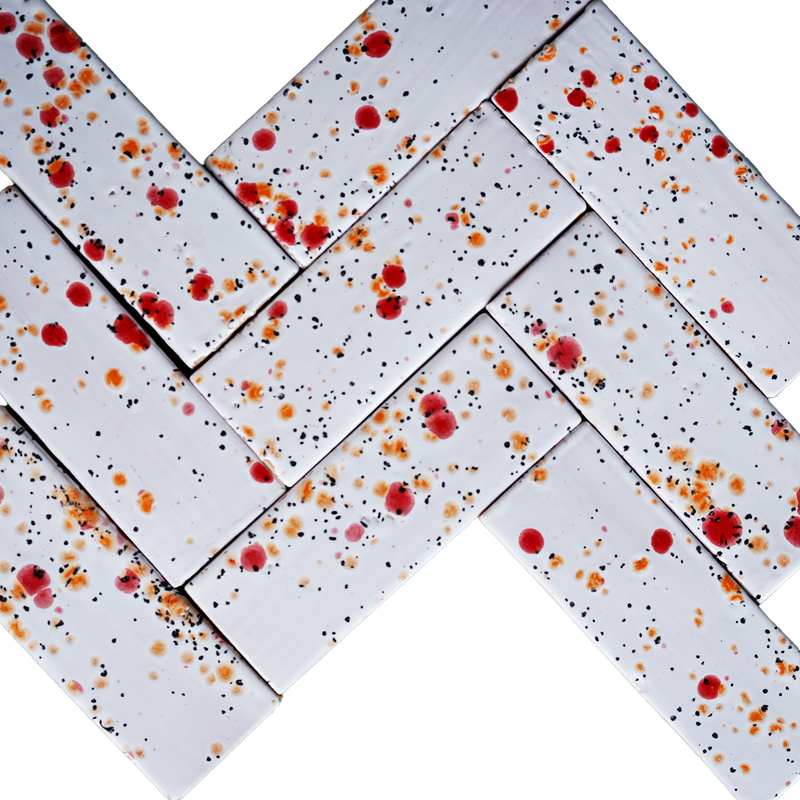
Hervido isn't just another tile in our catalog — it's a tile we make by hand, right here at Place of Clay in Phoenix. Every Hervido tile starts as a Saltillo blank and is transformed through hand-applied glazing and kiln firing into something entirely different: a richly colored, artisan tile with the organic character of handmade ceramics and the durability of professionally fired glaze.
Because each tile is glazed and fired individually, caring for Hervido is a little different from caring for raw Saltillo or factory ceramics. Here's how to keep your Hervido looking its best.
The Story Behind Hervido
Hervido exists because of a simple observation: Saltillo tile is essentially a bisque — an unglazed, fired clay body ready to accept glaze. After watching how Zellige tile is made in Morocco, where artisans hand-glaze and fire individual tiles to create richly varied surfaces, we realized the same approach could work with our Saltillo inventory. The result is Hervido — a locally made, hand-glazed tile that offers the artisan character of Zellige at a fraction of the import cost and lead time.
Each tile is glazed by hand using brush or airgun techniques, with edges and bottoms carefully cleaned before firing in our kiln. For larger orders, we partner with facilities that have additional kiln capacity. A typical order takes 1-2 days of glazing work followed by 1-2 weeks of firing, depending on size — we've completed custom orders as large as 200 square feet.
Customers frequently come to us with a specific color or vision for their project, and we work to match their expectations. At $25-$45 per square foot depending on tile size and format, Hervido delivers the handmade, one-of-a-kind look that's driving the 2026 artisan tile trend — the Zillow 2026 Home Trends Report found a sharp increase in listings mentioning "artisan craftsmanship" — without the import timeline or premium pricing of Moroccan Zellige.
Understanding Your Hervido Tile
To care for Hervido properly, understand what you're working with. The tile body is Saltillo terracotta — earthy, slightly porous, and traditionally used in Mexican and Mediterranean architecture. The glaze is a glass-like coating that covers the terracotta body, providing stain resistance and creating the gorgeous color and finish.
Unlike raw Saltillo, which stains easily and requires constant sealing attention, the glaze on Hervido does most of the protective work. That said, the glaze is not indestructible. Scratches and abrasive cleaners can dull or damage it. Your goal is to keep the glaze clean and protected.
Hervido is available in two shapes:
- Subway tiles: Classic rectangular format for traditional or contemporary spaces
- Fish scale tiles: Rounded, overlapping design that adds visual movement and texture
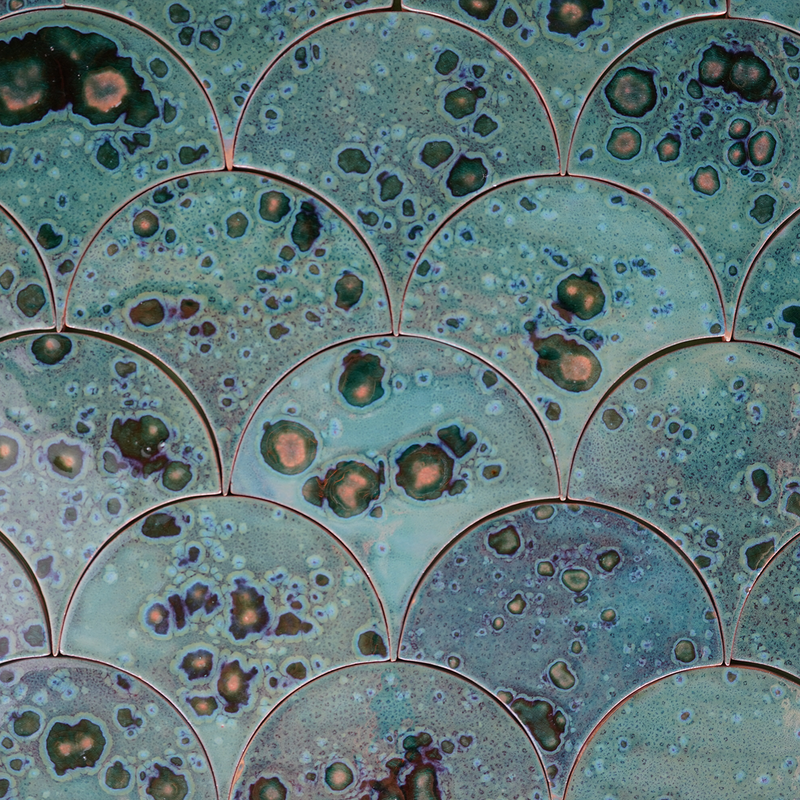
Hervido Pavoreal fish scale tile — each piece hand-glazed and kiln-fired in Phoenix.
Gentle Cleaning: The Golden Rule
Gentle is always better than aggressive when it comes to hand-glazed tile.
Daily Cleaning
For everyday spills, use warm water and a soft cloth or soft-bristled brush. Add a few drops of mild dish soap if needed. Wipe gently, rinse with clean water, and dry with a soft cloth.
Weekly Cleaning
Once a week, clean your Hervido surfaces more thoroughly. Mix a pH-neutral tile cleaner with water per the package directions. Use a soft cloth or soft-bristled brush, paying attention to grout lines where dirt accumulates. Rinse thoroughly with clean water and dry completely.
What to Avoid
Never use abrasive scrubbers or scouring pads — these scratch the glaze. Avoid bleach, ammonia, vinegar, and acidic cleaners, all of which can etch or dull the glazed surface. Skip harsh chemical degreasers and steam cleaners. Stick to pH-neutral, gentle formulations. When in doubt, plain warm water and a soft cloth will do the job safely.
Protecting the Glaze
In kitchen backsplashes, use cutting boards and handle cookware carefully to avoid dragging anything across the tile surface. On bathroom walls, avoid leaning sharp objects against the tiles. In any application, removing grout haze during installation is critical — use a damp sponge and soft cloth during the grouting process, not abrasive scrubbing after the fact.
Do You Need to Seal Hervido?
Because Hervido is glazed, the answer depends on placement:
Kitchen backsplashes: Sealing is typically unnecessary. The glaze provides sufficient protection, and a sealer could cloud the hand-glazed finish.
Bathroom walls: Optional. If tiles are in direct, frequent water spray (like a shower surround), consider a penetrating sealer on the grout and any exposed tile edges. A light, water-based sealer won't alter the tile's appearance.
Floor applications: If Hervido is used as flooring, sealing both tiles and grout is recommended. The additional foot traffic and moisture exposure warrant extra protection.
If you seal, use a penetrating sealer designed for glazed ceramic tile, and test on a discreet area first.
Grout Care Matters Too
While Hervido's glaze is robust, your grout lines are more vulnerable. Grout is porous and absorbs moisture and stains readily. Keep water from sitting in grout lines, consider a penetrating grout sealer in bathrooms, clean grout regularly with pH-neutral cleaners, and replace deteriorated grout promptly.
Remember: with any handmade tile, grout a small area at a time and clean as you go. The porous terracotta body absorbs moisture from grout rapidly, which can cause grout to dry too fast and stick to the tile surface if you're not attentive.
Common Hervido Care Situations
Soap scum (bathrooms): A mild pH-neutral bathroom tile cleaner will handle soap scum without damaging the glaze. Avoid acidic solutions.
Mineral deposits: Hard water deposits may form on bathroom tiles, especially in Arizona. A commercial ceramic tile cleaner designed for glazed surfaces will remove these.
Oil or grease (kitchens): Hot soapy water usually does the trick. For stubborn buildup, use a pH-neutral degreaser diluted per directions, applied to a cloth rather than sprayed directly on the tile.
Hervido vs. Zellige: Why Local Matters
Zellige tiles from Morocco have surged in popularity — Original Mission Tile notes that "zellige tiles celebrate wabi-sabi—the beauty of variation and imperfection," and Bedrosians identified zellige as encapsulating the artisan, handcrafted tile trend for 2026. That same philosophy of beautiful imperfection defines Hervido. But where Zellige requires international sourcing with longer lead times and higher costs, Hervido is made right here in Phoenix.
That means custom colors matched to your project, lead times measured in weeks rather than months, and a maker you can visit in person to discuss your vision. Every Hervido tile carries the same artisan character — subtle glaze variation, organic texture, the unmistakable mark of human craft — at a price point and timeline that makes handmade tile accessible for more projects.
Keeping Your Hervido Beautiful
With a consistent, gentle cleaning routine and mindful use, your Hervido tiles will maintain their beauty indefinitely. The hand-glazed finish develops a subtle patina over time that only adds to its character — much like the wabi-sabi philosophy that's driving the broader trend toward artisan surfaces in home design.
Browse the Hervido collection or the Hervido Fish Scale collection online, or visit our Phoenix showroom to see the full color range in person. We're happy to discuss custom color options and help you plan your project.
Place of Clay
1830 E Washington Street, Phoenix, AZ
(602) 252-1506
info@placeofclay.com