

Cantera Stone Care: How to Maintain and Seal Mexico's Volcanic Stone
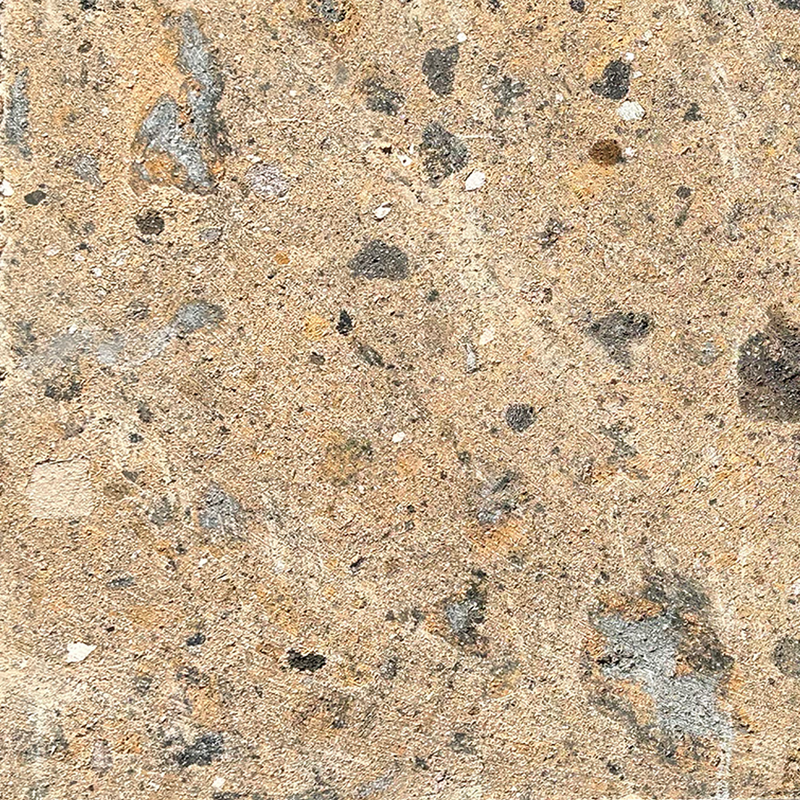
Cantera stone has graced Mexican architecture for centuries, and for good reason. This distinctive volcanic material brings warmth, texture, and authentic character to any space — from fireplace surrounds and window frames to columns and decorative accents. As Villa Custom Homes notes, cantera is "hand-carved, natural volcanic rock quarried exclusively in Mexico; each piece is one-of-a-kind with intricate artisan carving." But cantera's beauty comes with responsibility. Because of its exceptionally porous nature, proper care and sealing are essential.
At Place of Clay, we source authentic cantera directly from master quarries in Mexico. We've seen what happens when cantera is neglected, and we've seen what happens when it's cared for properly. The difference is dramatic. Here's everything you need to know.
What Is Cantera Stone?
Cantera is a soft, lightweight volcanic tuff quarried primarily in Mexico, especially in regions like Guanajuato and Morelos. Unlike hard, dense stone such as granite or slate, cantera is surprisingly easy to work with — which is why artisans throughout Mexico have carved it into architectural elements for generations. Its warm honey and cream tones, combined with natural texture, make it perfect for feature walls, fireplace surrounds, window frames, columns, and decorative accents.
The trade-off? Cantera's porosity is both its blessing and its curse. That porous structure gives cantera its light weight and workability, but it also means the stone readily absorbs moisture and liquids. This is where proper sealing becomes essential.
Why Sealing Cantera Is Non-Negotiable
Unsealed cantera is vulnerable. The stone's porous structure acts like a sponge, absorbing water, oils, and other liquids readily. Once absorbed, these substances cause staining, discoloration, and in Arizona's climate, a specific problem we see constantly: hard water mineral deposits.
Arizona's alkaline hard water is particularly harsh on porous stone. The alkalinity draws minerals from within the stone to the surface, creating a white film that's extremely difficult to remove without aggressive intervention. We see this regularly at Place of Clay — homeowners who skipped sealing and now face a restoration project that could have been prevented entirely.
Additionally, cantera cannot be polished like granite or marble. You can't refinish it to restore a worn surface. Prevention through sealing is your only real protection.
Sealing Your Cantera: What We Recommend
The sealing approach for cantera follows the same principles we use for Saltillo tile. Start with a penetrating sealer that soaks into the stone's pores and creates an invisible barrier from within. This preserves cantera's natural appearance and texture while blocking moisture absorption.
For cantera, we recommend:
- Clean the stone thoroughly and allow it to dry completely — 24-48 hours minimum. Cantera must be bone dry for the sealer to penetrate properly.
- Apply a penetrating sealer using a brush, roller, or sprayer. Multiple thin coats are better than one thick coat. Allow each coat to absorb before applying the next.
- For interior cantera with heavy use (fireplace surrounds, kitchen accents), consider adding an acrylic wax topcoat for additional surface protection. Options include Plaza (high gloss), Fortify (medium gloss for high-traffic areas), or Low Matte.
- Test the seal once cured by dropping water on the surface. If it beads up, the seal is working. If it absorbs, apply another coat.
We carry penetrating sealers and acrylic wax topcoats in our Phoenix showroom. Come in and we'll help you select the right product for your cantera application.
Your Cantera Cleaning Routine
Once sealed, maintaining cantera is straightforward — but consistency matters.
Daily and Weekly Cleaning
Use a soft cloth or mop with pH-neutral cleaners (pH between 7 and 8). Mild dish soap mixed with water works well. Wipe up spills immediately — even on sealed cantera, prolonged contact with liquids can push through the sealer over time.
What to Avoid
Never use bleach, vinegar, ammonia, or acidic cleaners on cantera. These substances eat away at both the stone's surface and the sealer. Don't scrub with abrasive pads or harsh brushes — stick to soft cloths or soft-bristled brushes. The same pH-neutral rule that applies to Saltillo tile applies to cantera.
Monthly Deep Cleaning
Once a month, give your cantera a deeper clean. Use a pH-neutral stone cleaner diluted according to package directions. Apply, let sit for 5-10 minutes, then rinse thoroughly with clean water and dry completely.
Resealing: When and How Often
Plan to reseal your cantera every 2-3 years for interior installations. Outdoor cantera or high-traffic areas may need annual resealing. Watch for these signs:
- Water no longer beads on the surface
- Visible staining or discoloration appearing
- A dull or worn appearance developing
- White mineral deposits forming (especially in hard water areas like Phoenix)
To reseal, clean your cantera thoroughly and allow it to dry completely, then follow the same application process as your initial sealing.
Indoor vs. Outdoor Cantera Care
Indoor Cantera: Interior installations (walls, fireplace surrounds, accents) are easier to maintain. Keep the stone dry, seal every 2-3 years, and follow your regular cleaning routine. Indoor cantera will maintain its beauty with minimal intervention.
Outdoor Cantera: Exterior cantera faces weather exposure, UV rays, and in some climates, freeze-thaw cycles. It requires more attention. Seal outdoor cantera annually, inspect regularly for cracks or erosion, and address damage promptly. In Arizona, the combination of intense sun and hard water irrigation makes exterior sealing especially important.
Common Cantera Issues and Fixes
White mineral film (efflorescence): This is the most common problem we see in the Phoenix area. The alkaline minerals in Arizona's hard water react with minerals in the cantera, drawing them to the surface. If caught early, a pH-neutral cleaner and soft brush may remove it. For stubborn cases, try Zep cleaner first — it's effective and relatively safe to work with. If that doesn't resolve it, a diluted muriatic acid blend may be necessary, but that requires careful handling and safety precautions. Prevention through proper sealing is always the better approach.
Stains: For organic stains (food, plants, algae), a poultice made from baking soda and water can draw out the stain. Apply, let sit for 24-48 hours, then remove and rinse.
Cracks or chips: Minor cosmetic damage can sometimes be sealed with a stone-specific epoxy. Significant cracks that allow water penetration need professional repair.
Why Choose Authentic Mexican Cantera?
The trend toward artisan craftsmanship and natural materials in home design is accelerating. Bedrosians Tile & Stone highlights tiles with "surfaces that invite touch" and "earthy patinas" as defining 2026, and Fireclay Tile emphasizes "authenticity and personal expression" in their trend forecast. Cantera stone fits this movement perfectly — it's hand-carved, naturally beautiful, and carries centuries of Mexican architectural heritage.
With proper sealing and care, cantera develops a rich patina over time, becoming more beautiful as it ages — not less. The investment is worth it.
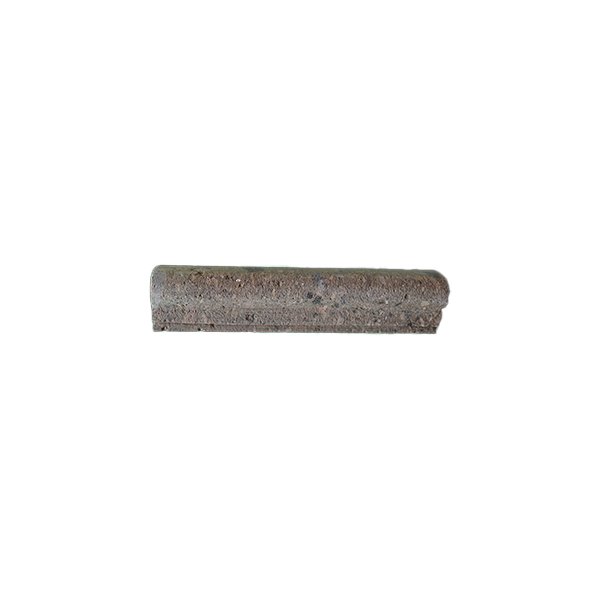
Cantera chair rail molding — hand carved from Mexican volcanic stone.
Browse our complete cantera stone collection, or visit our Phoenix showroom to see and feel the stone in person. We can help you select the right cantera for your project and recommend the appropriate sealers and care products.
Place of Clay
1830 E Washington Street, Phoenix, AZ
(602) 252-1506
info@placeofclay.com